
How to Plan Balanced Meals Without Stress: A Simple Guide
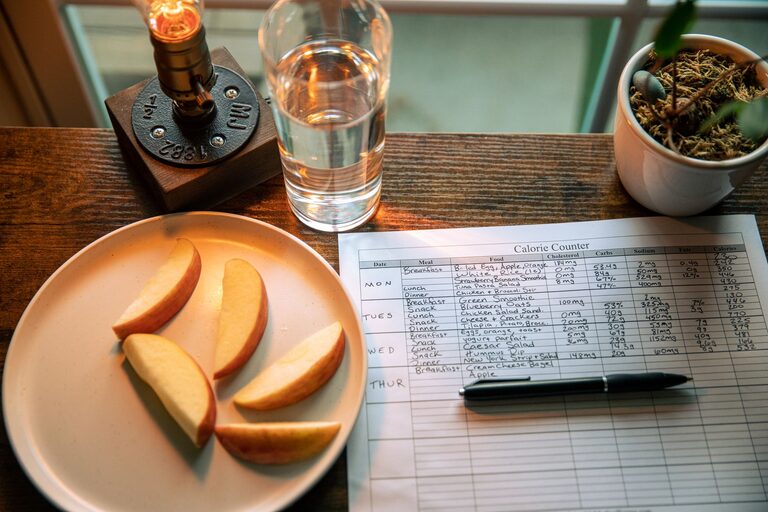
Planning balanced meals doesn’t have to be overwhelming or time-consuming. With a few straightforward strategies, you can create meals that nourish your body and satisfy your taste buds without unnecessary stress. Whether you’re cooking for yourself, your family, or a busy household, this guide will help you bring balance and ease to mealtime.
Why Balanced Meals Matter
Balanced meals provide a mix of essential nutrients your body needs to function well. This includes carbohydrates, proteins, healthy fats, vitamins, and minerals. Eating well-balanced meals can improve energy levels, support overall health, and even enhance mood.
Key Components of a Balanced Meal
1. Protein
Protein helps build and repair tissues and keeps you feeling full longer. Examples include:
– Lean meats like chicken or turkey
– Fish and seafood
– Eggs
– Plant-based options like beans, lentils, tofu, and tempeh
– Dairy products such as yogurt or cheese
2. Vegetables and Fruits
These provide vitamins, minerals, fiber, and antioxidants. Aim to fill half your plate with a variety of colorful vegetables and fruits.
3. Whole Grains
Whole grains offer fiber and energy-sustaining carbohydrates. Examples include:
– Brown rice
– Quinoa
– Whole wheat bread or pasta
– Oats
4. Healthy Fats
Healthy fats support brain health and hormone function. Sources include:
– Avocados
– Nuts and seeds
– Olive oil and other vegetable oils
– Fatty fish like salmon
5. Hydration
Don’t forget to drink water throughout the day to stay hydrated.
Tips for Stress-Free Meal Planning
1. Start with a Simple Meal Plan
Create a basic weekly plan that includes a variety of proteins, grains, and vegetables. Stick to familiar recipes at first and gradually add new dishes.
2. Prepare Ahead When Possible
Spend a little time prepping ingredients in advance—chop vegetables, cook grains, or marinate proteins. This reduces cooking time on busy days.
3. Use Balanced Plate Visuals
Visualize your plate as divided: half vegetables and fruits, one quarter protein, and one quarter whole grains. This simple guide takes the guesswork out of portioning.
4. Batch Cook and Freeze
Make larger portions of meals like soups, stews, or casseroles and freeze leftovers for quick future meals.
5. Keep a Well-Stocked Pantry
Maintain staples like canned beans, frozen vegetables, whole grains, and healthy oils so you can easily throw together a meal.
6. Limit Processed Foods
Try to minimize highly processed options that are often high in added sugars, salt, and unhealthy fats.
7. Consider Your Schedule
Plan meals around your busiest days. For example, choose quick recipes on hectic nights and more elaborate meals when you have time.
Sample Balanced Meal Ideas
– Grilled chicken breast with quinoa and steamed broccoli drizzled with olive oil
– Lentil stew with carrots, tomatoes, and spinach, served with whole grain bread
– Baked salmon, roasted sweet potatoes, and a mixed green salad with avocado
– Vegetable stir-fry with tofu and brown rice
– Omelet with spinach and mushrooms alongside fresh fruit
Making It Fun and Flexible
Meal planning doesn’t have to feel like a chore. Try involving family members, experimenting with new flavors, or creating themed meal nights such as Meatless Mondays or Taco Tuesdays. Flexibility helps keep things enjoyable and sustainable.
Final Thoughts
Planning balanced meals without stress is achievable by keeping things simple, preparing ahead, and focusing on variety and moderation. With practice, you’ll develop a rhythm that suits your lifestyle and keeps your meals both nutritious and enjoyable.
Happy meal planning!